Potential Outstanding Universal Value
Ustyurt: Landscapes and Aran Hunting Traps is nominated for inscription on the UNESCO World Heritage List under both cultural and natural criteria.
To be included on the UNESCO World Heritage List, a property must meet at least one of the ten criteria of the Outstanding Universal Value. The Ustyurt: Landscapes and Aran Hunting Traps mixed heritage site is nominated for inscription under criteria (iii), (iv), (v), (vii), and (viii) for the following cultural and natural values:
Criterion (iii)
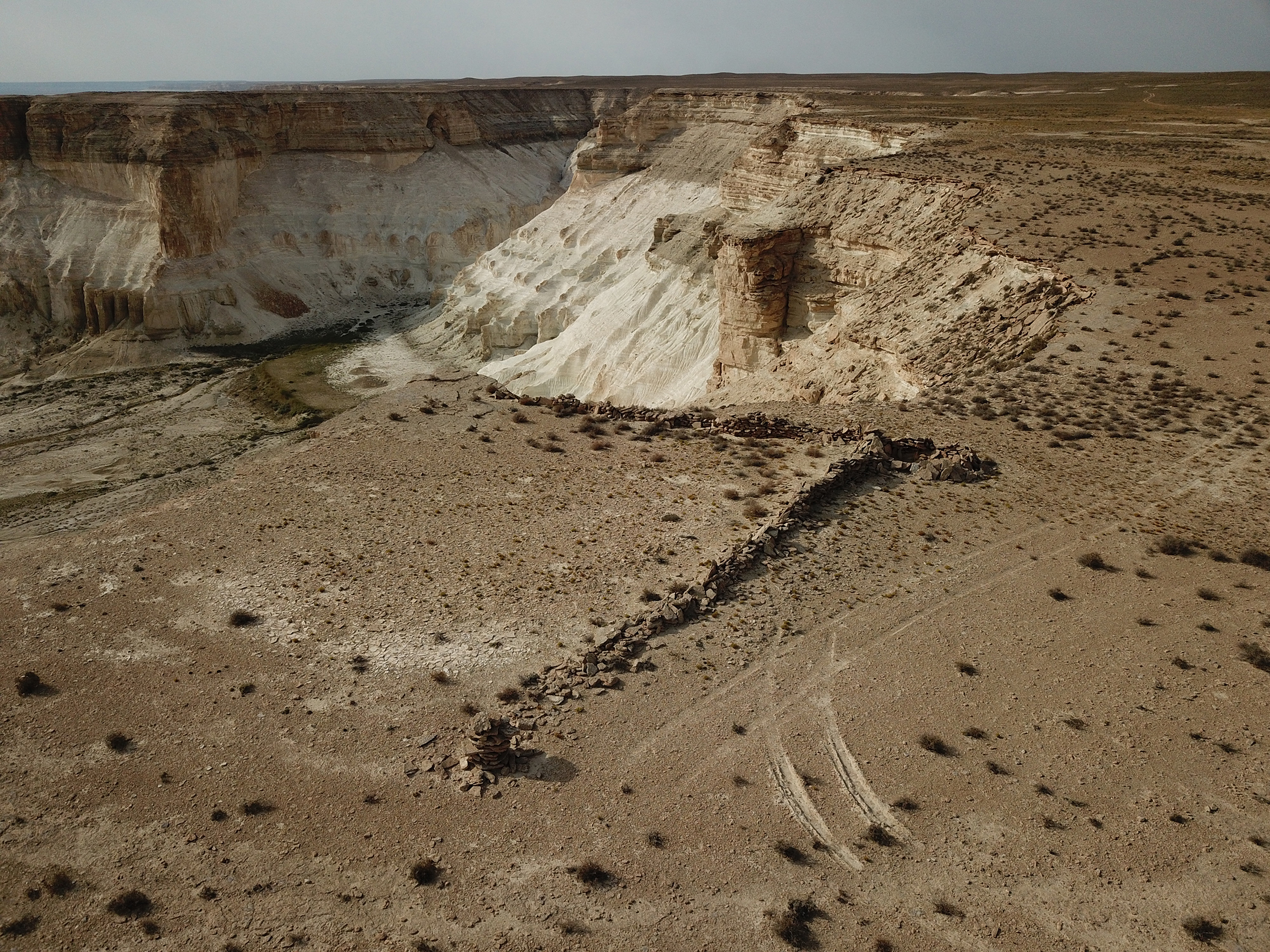
Ustyurt cultural landscape bears exceptional testimony to a long-lived cultural tradition of communal hunting that developed in the desert-steppe environment of Central Asia and has now disappeared. This tradition is expressed through the collective organisation of labor, the intergenerational transmission of ecological knowledge, and culturally embedded hunting practices materialized in monumental aran hunting traps. Arans illustrate how nomadic societies without permanent urban centres were able to organize large-scale collective action, encode detailed knowledge of animal behavior and landscape dynamics into durable material forms, and sustain culturally regulated hunting practices over more than two millennia in one of the most environmentally challenging regions of Eurasia.
Criterion (iv)
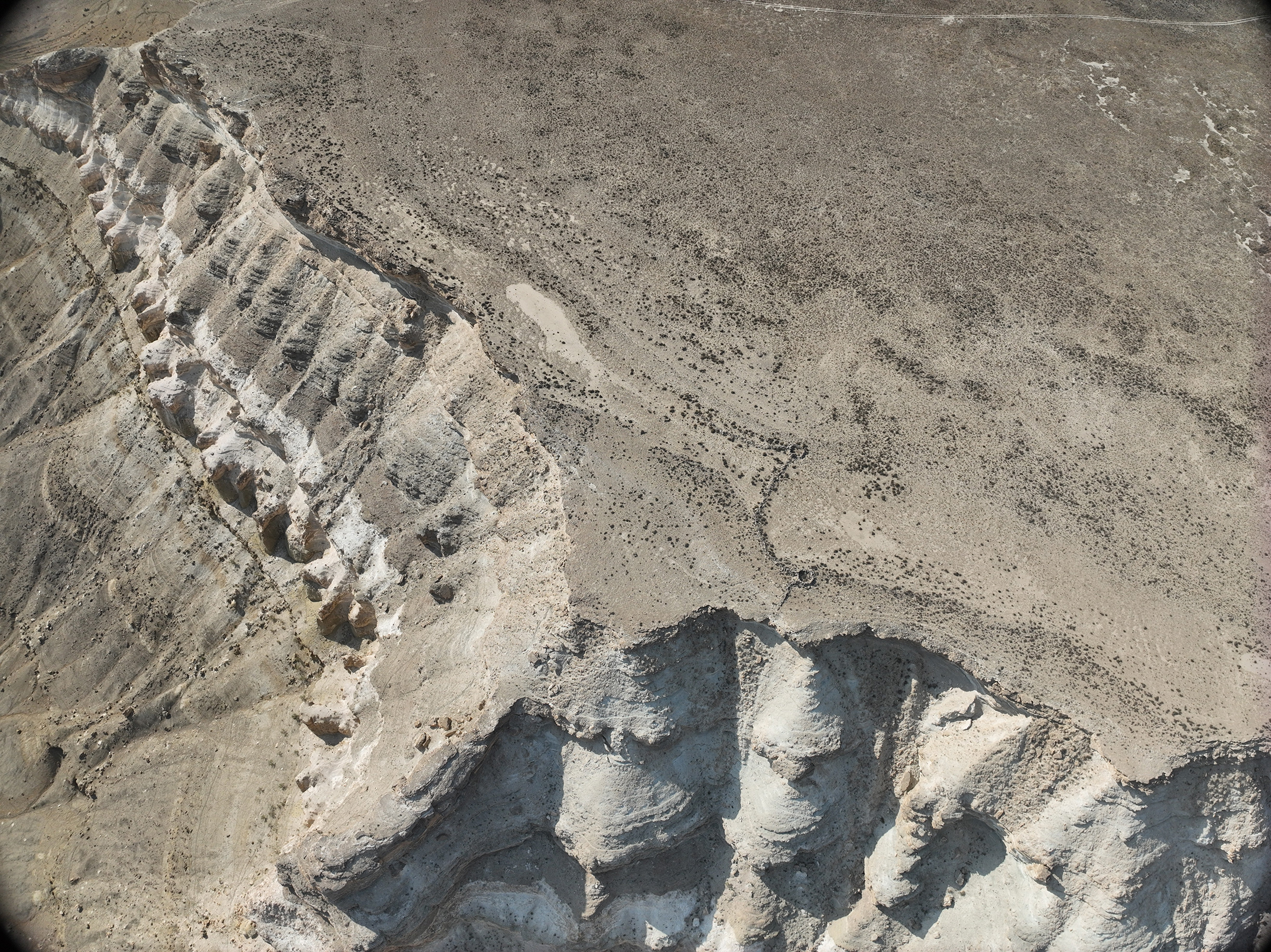
The nominated property represents an outstanding example of a large-scale hunting cultural landscape based on an extensive and well-preserved network of aran hunting traps, forming one of the highest concentrations of such installations in Eurasia and illustrating a significant stage in the technological adaptation of human societies to extreme desert-steppe environments.
Criterion (v)
Ustyurt: Landscapes and Aran Hunting Traps is an outstanding example of a traditional land use system shaped by long-term interaction between nomadic hunting-pastoral communities and the extreme desert-steppe environment of Eurasia. The property illustrates how societies operating under chronic water scarcity, climatic instability, and ecological fragility developed sustainable hunting practices by integrating the Ustyurt Plateau's topography, geology, hydrology, and wildlife ecology into a coherent cultural landscape.
Criterion (vii)
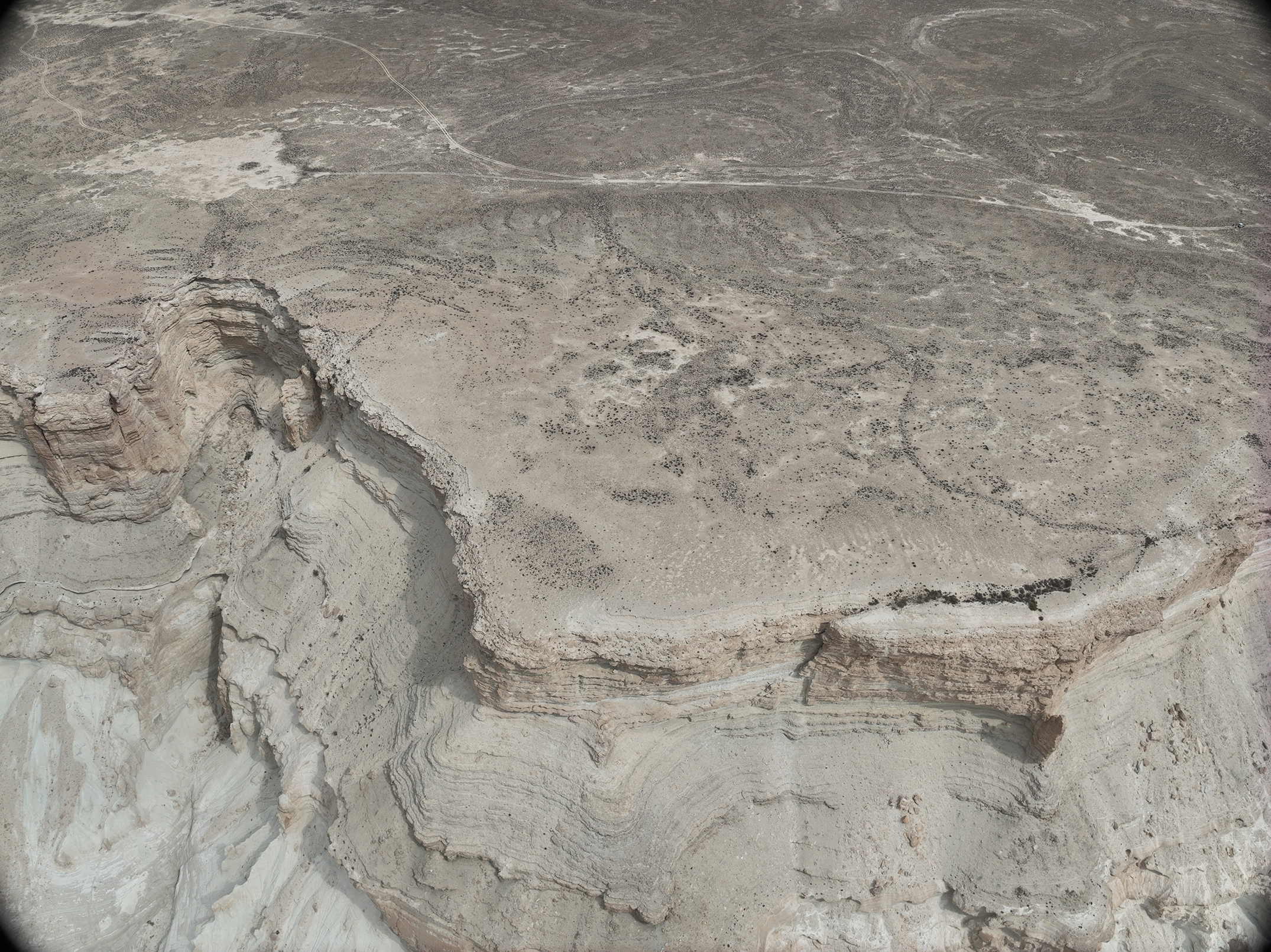
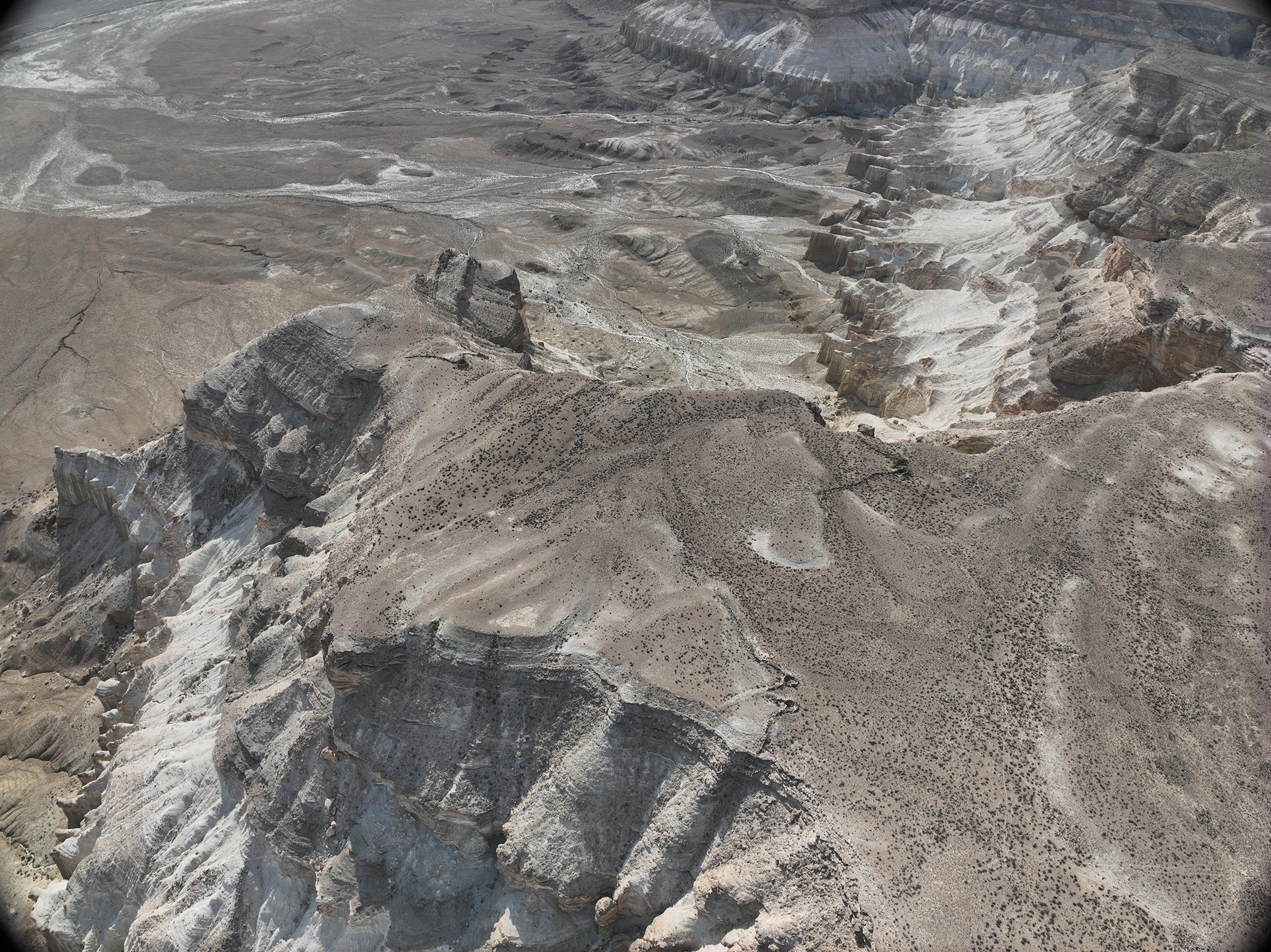
The Ustyurt Plateau presents vast, dramatic landscapes with steep cliffs, canyons, and limestone formations, creating a strong visual impact. Its palette of white, cream, ochre, green, red, and brown hues, combined with sculpted forms and textured surfaces, produces striking contrasts and panoramic views. Unique natural compositions, where endless plains are abruptly interrupted by colorful escarpments, with a large "dry ocean" water body below, form scenic sequences that evoke a profound sense of aesthetic admiration and exceptional natural beauty.
Criterion (viii)
Ustyurt: Landscapes and Aran Hunting Traps, with its plateau morphology and undeformed rock units, is an outstanding example of the geological evolution of both the eastern Paratethys and its ascending Caspian Sea. The non-metamorphic Paleozoic units and the ammonite-rich Mesozoic sequences at the base of the plateau make Ustyurt stand out in Earth's history. With its colorful and unusual landforms and ongoing desertification, the area is an exceptional example of the effects of climate change since the early Pleistocene.
Outstanding Universal Value Illustrations