Natural Heritage
Geology
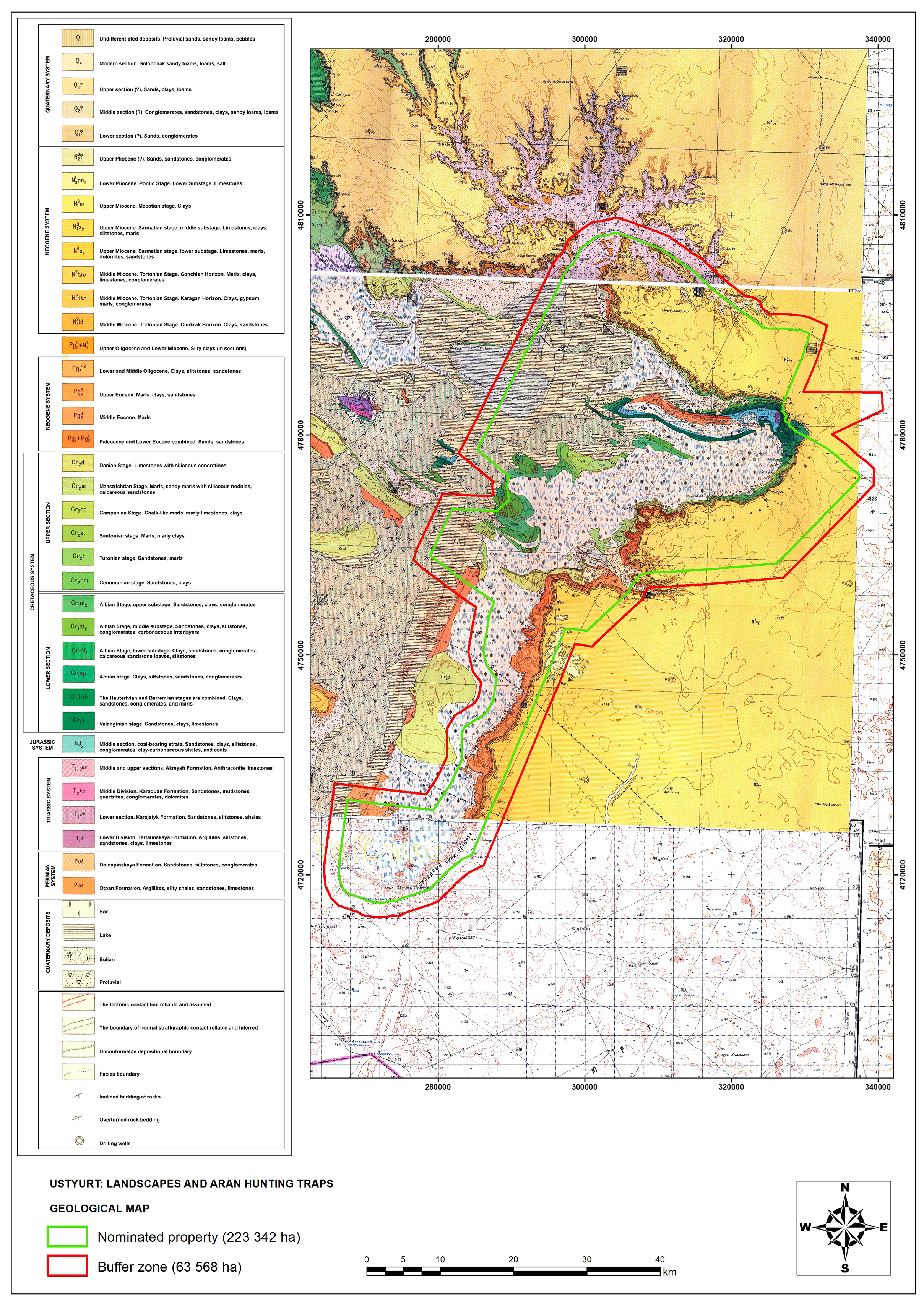
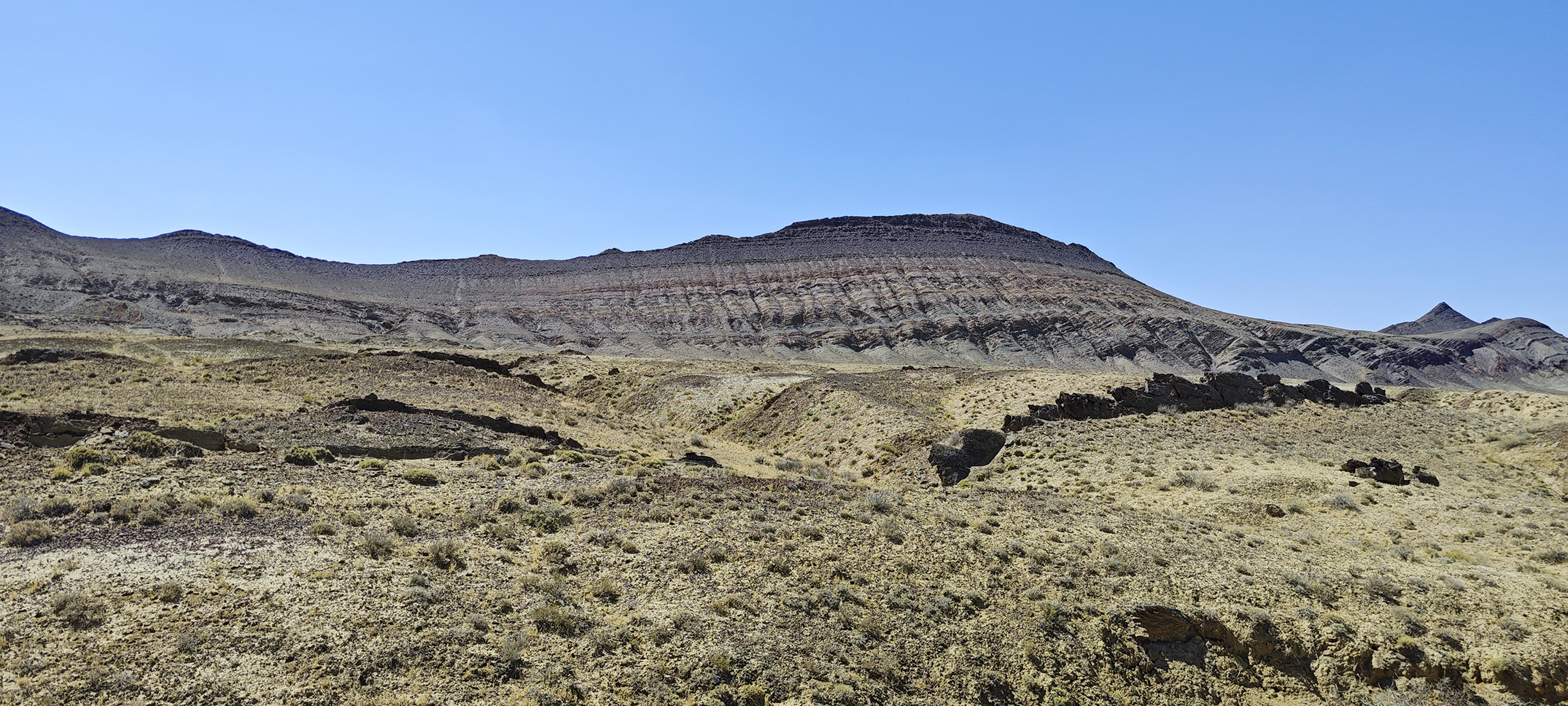
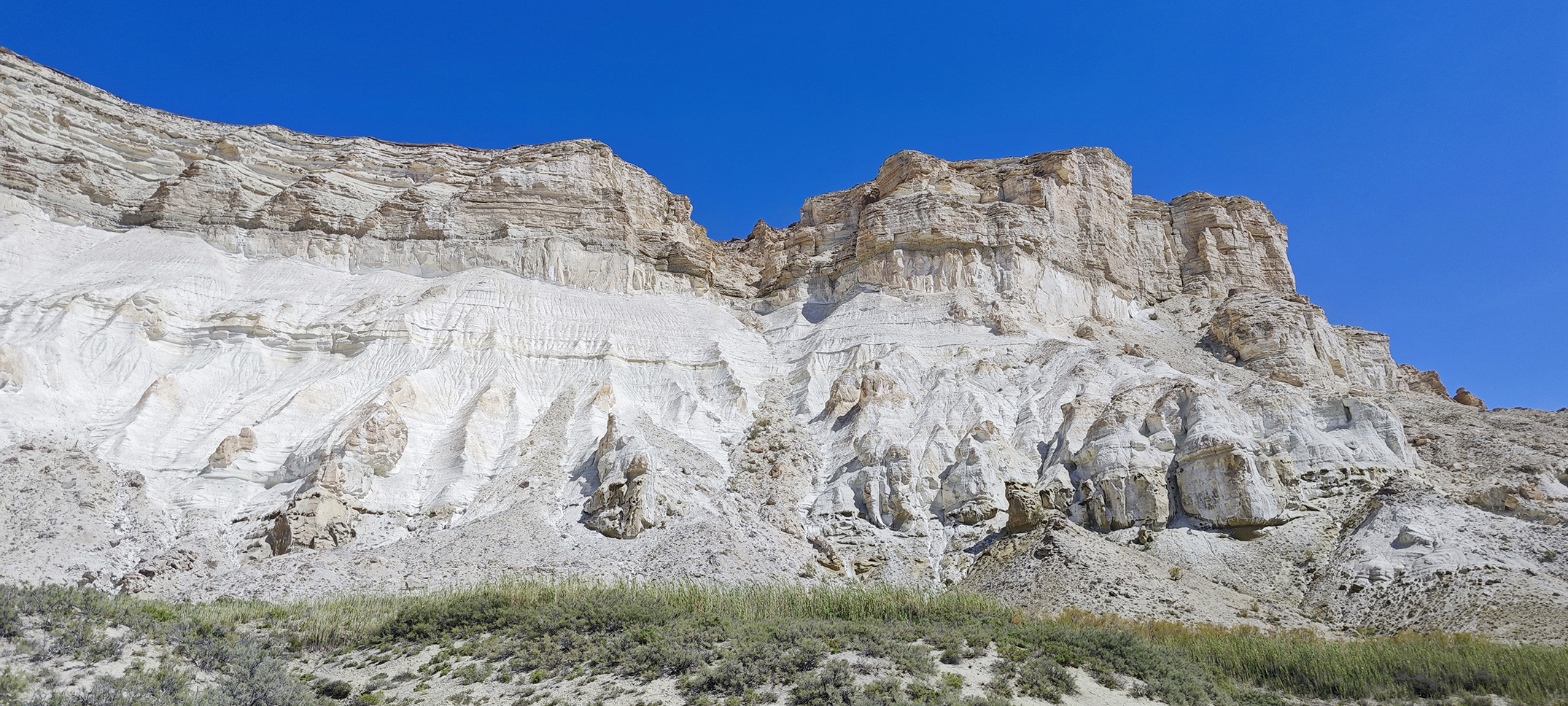
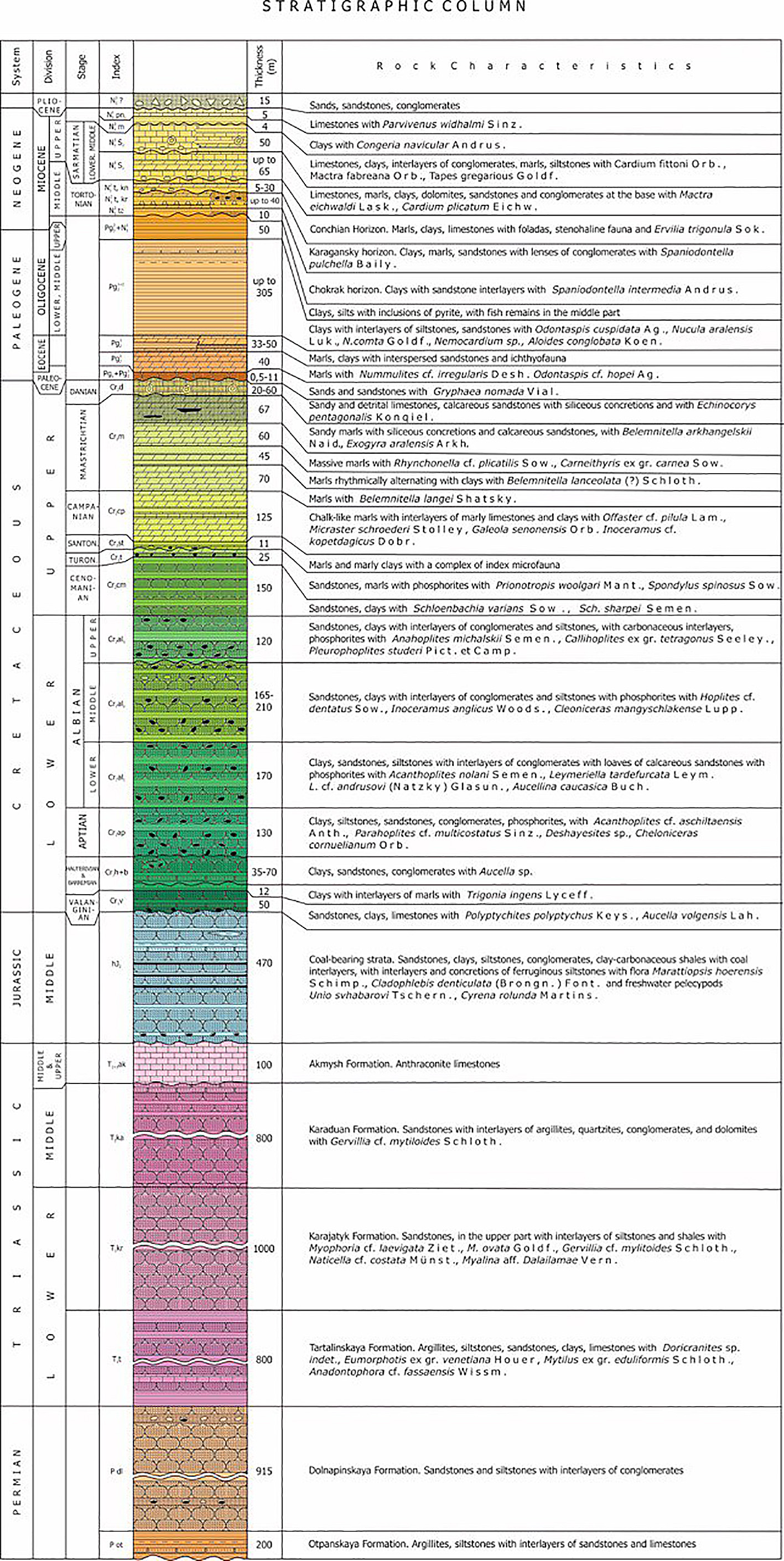
Ustyurt preserves a remarkable sedimentary rock record spanning 300 million years of Earth's history, from the Permian to the Quaternary. This unique geology reflects the occurrences and evolutionary phases of the Paleotethys, one of the most important oceans in Earth's history, the Tethys, and the Paratethys, as well as the Caspian Sea, which subsequently settled in the region.
The Paleotethys was an ocean located along the northern margin of Gondwanaland. It began opening during the Middle Cambrian, developed throughout the Paleozoic, and finally closed during the Late Triassic, existing for about 400 million years. In Ustyurt, it is represented by the Birkut and Otpan (Upper-Permian) formations.
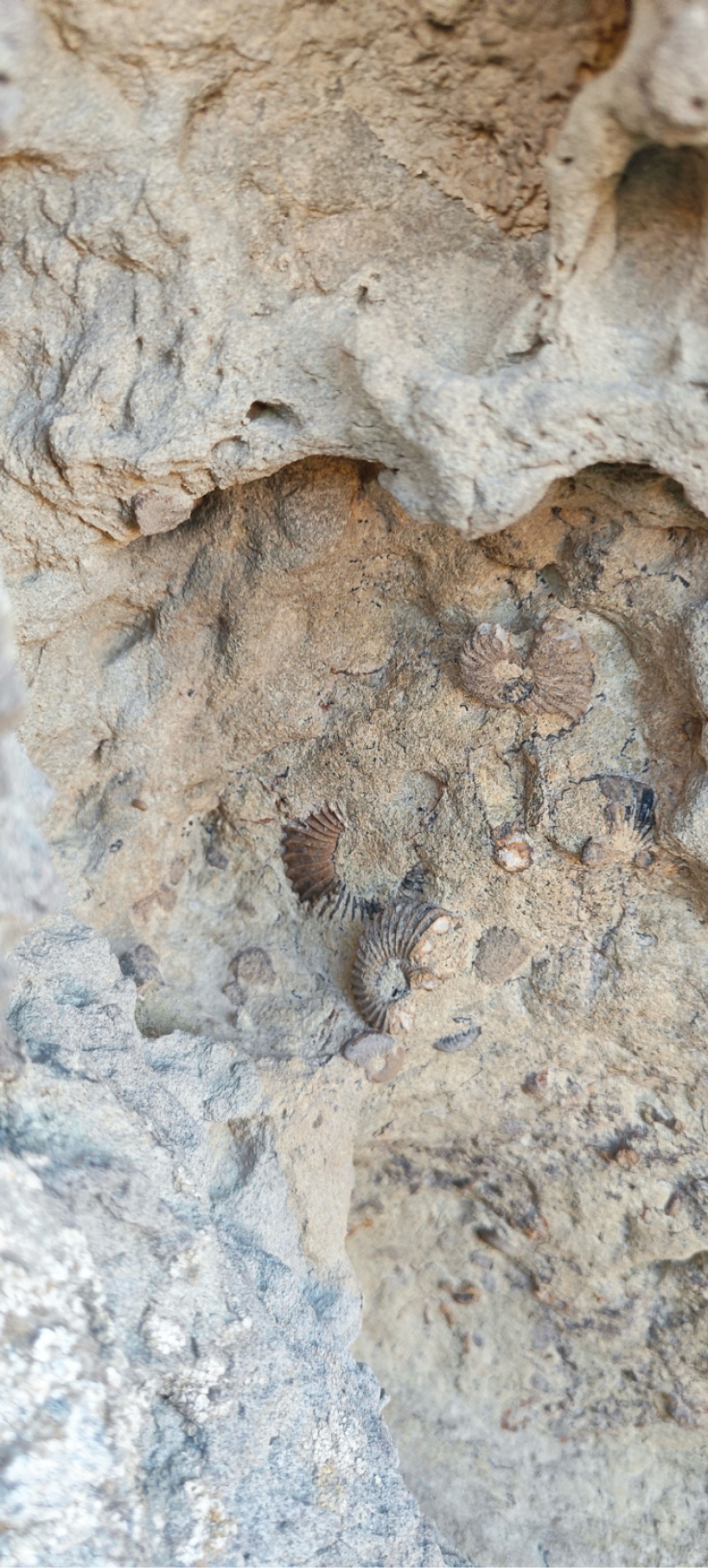
Tethys was a large ocean during much of the Mesozoic Era and the early to mid Cenozoic Era. It was the predecessor to the modern Indian Ocean, the Mediterranean Sea, and the Paratethys. The sedimentary products of the Tethys Sea in the Ustyurt area consist of Jurassic, Cretaceous, and early- and middle-Palaeogene formations.
The Paratethys is a result of the Alpine-Himalayan belt, one of the greatest orogenic events in Earth's history. This rising mountain range destroyed the former Tethys Ocean, creating the Paratethys in the north and the Mediterranean Sea. Paratethys was a large shallow inland sea that covered much of mainland Europe and parts of western Asia during the middle to late Cenozoic, from the Oligocene to the late Pliocene.
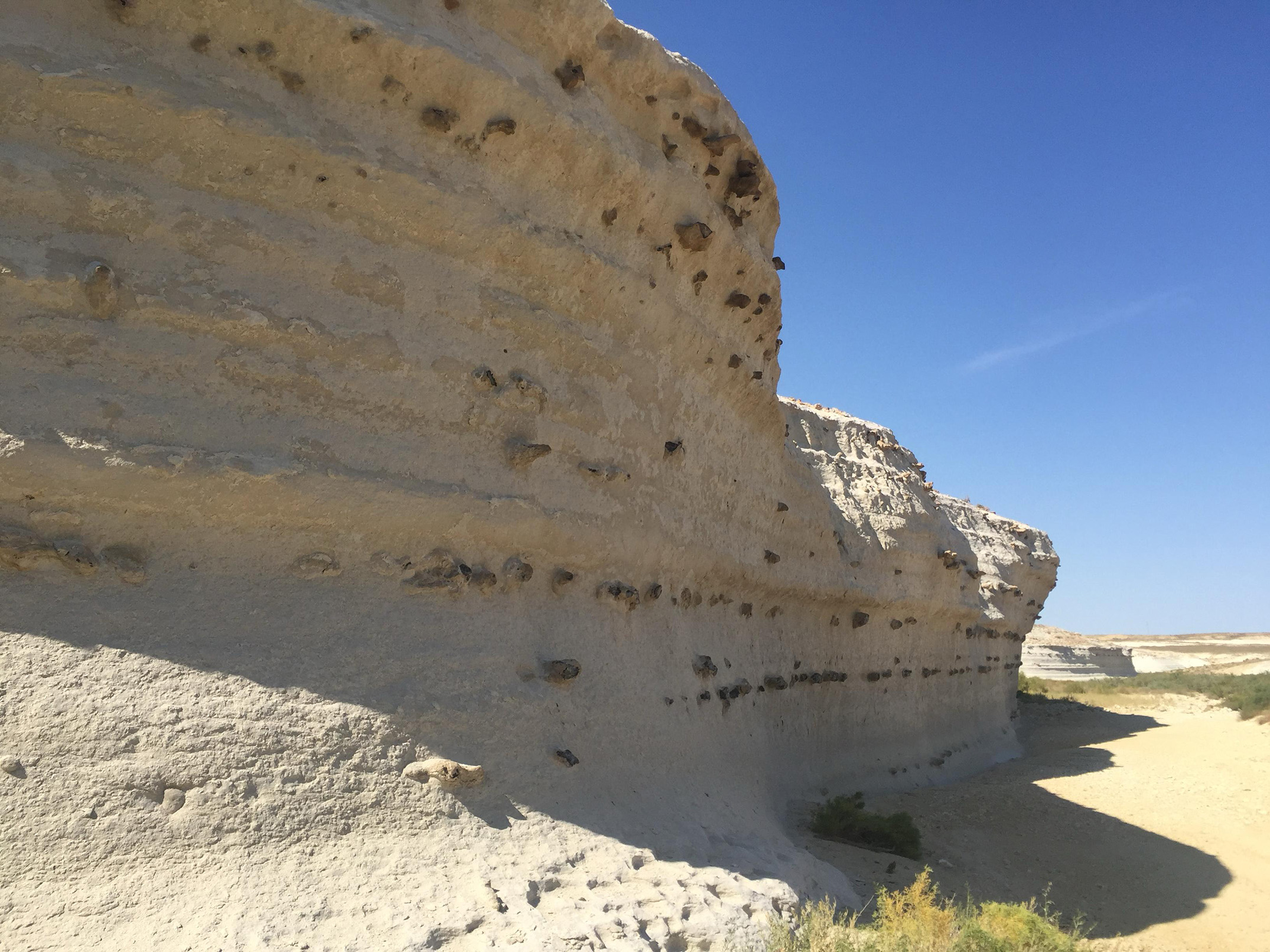
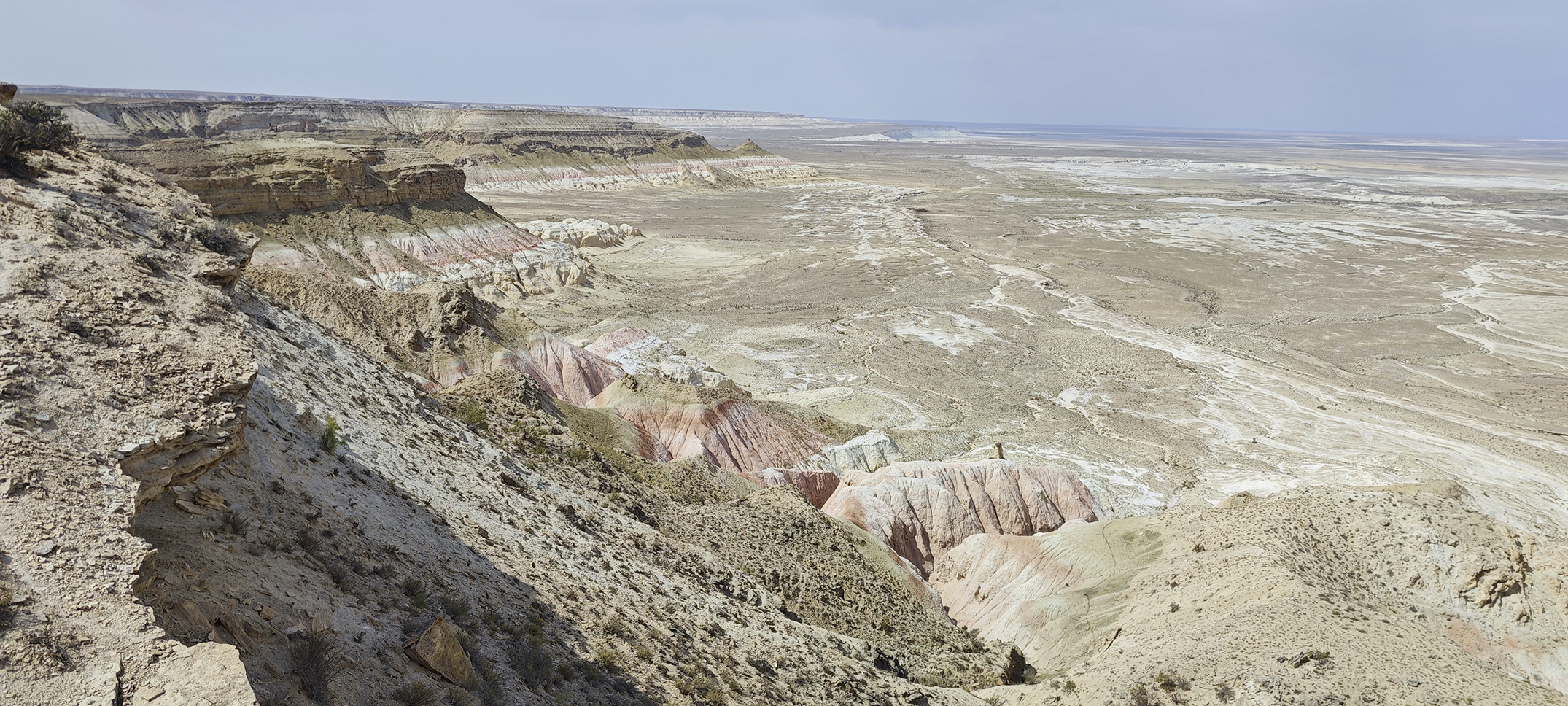
The Ustyurt Plateau is the lithologic evidence of the mentioned eastern Paratethys, for which the complete stratigraphy is visible thanks to the chinks. The Paratethys units in the nominated property comprise Oligocene, Miocene, and Pliocene formations.
The Quaternary units in Ustyurt, whether marine or continental, are directly related to the formation and evolution of the Caspian Sea, as the region has experienced numerous transgressions and regressions. It is the largest inland water body inherited from the Paratethys, which was subsequently exposed by glacial and interglacial events recording long-term climatic changes.
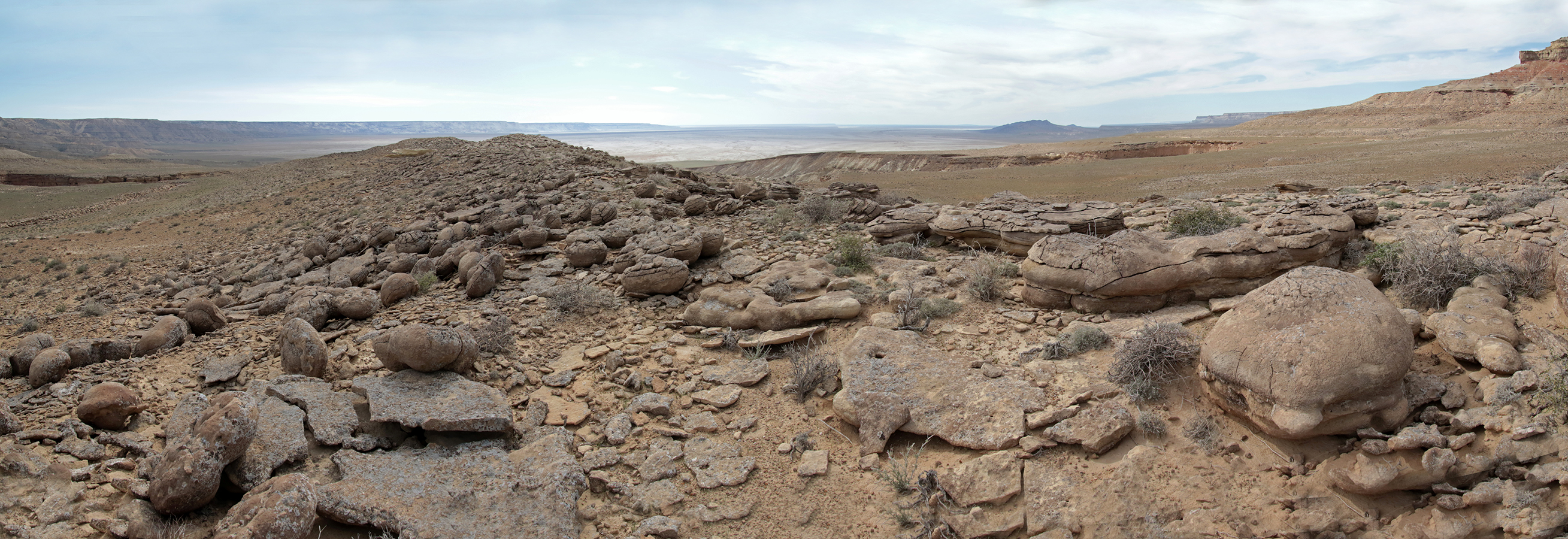
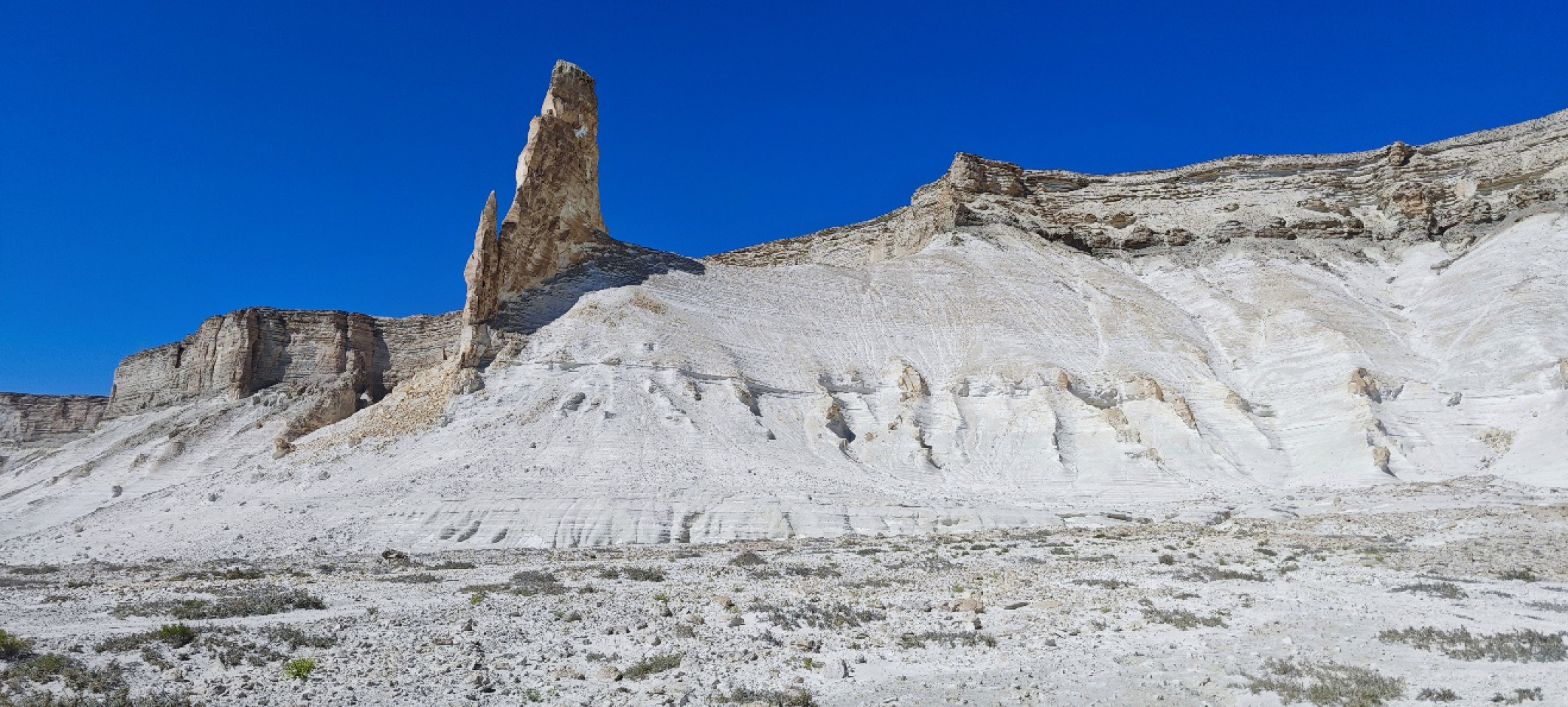
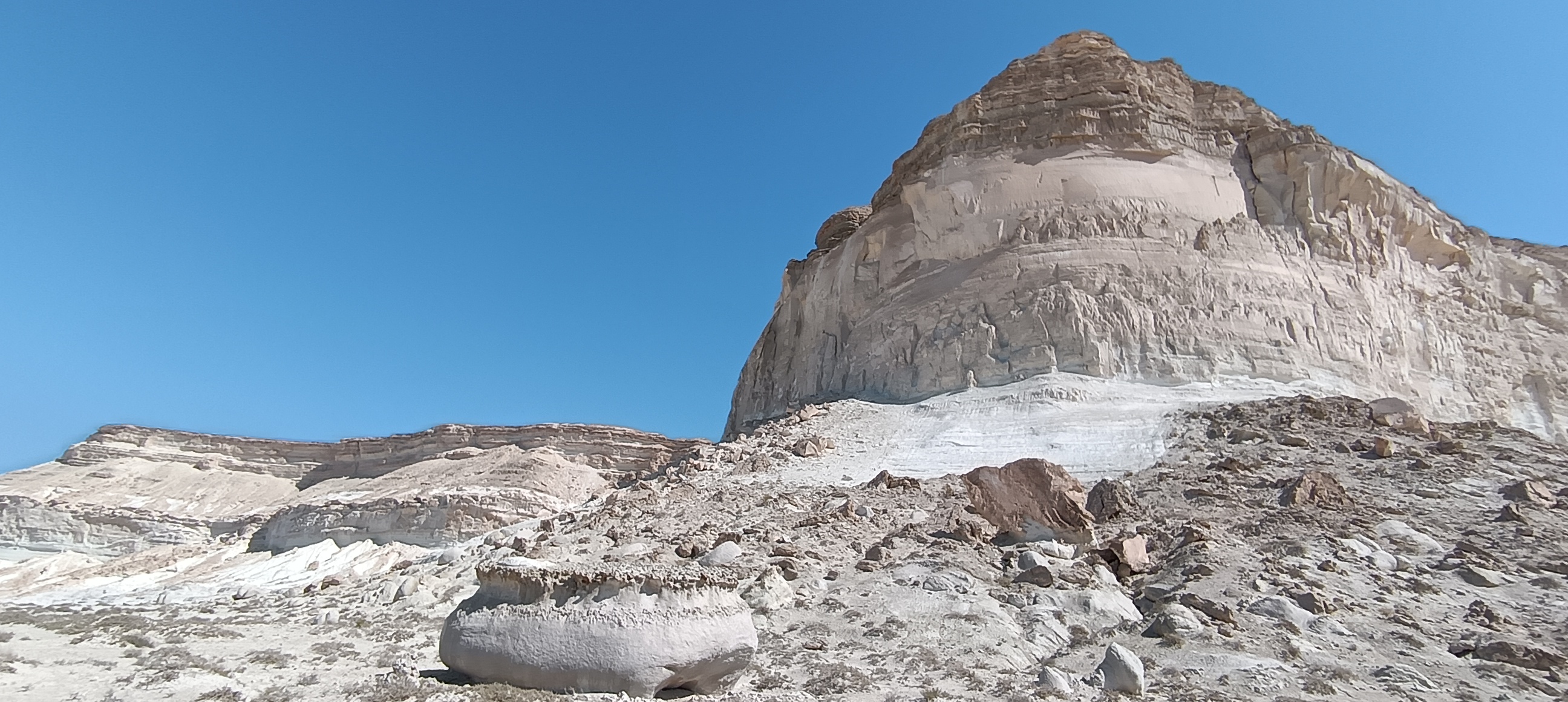
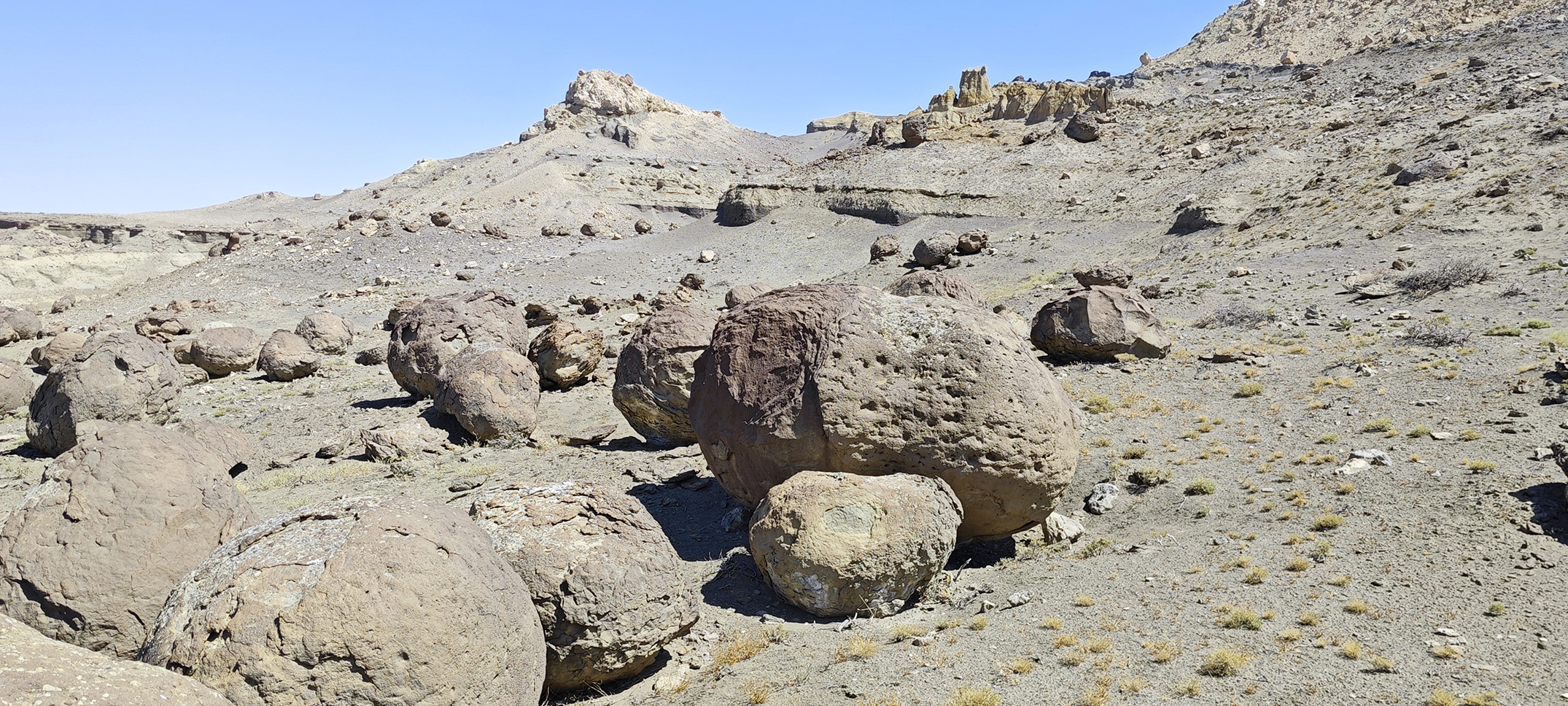
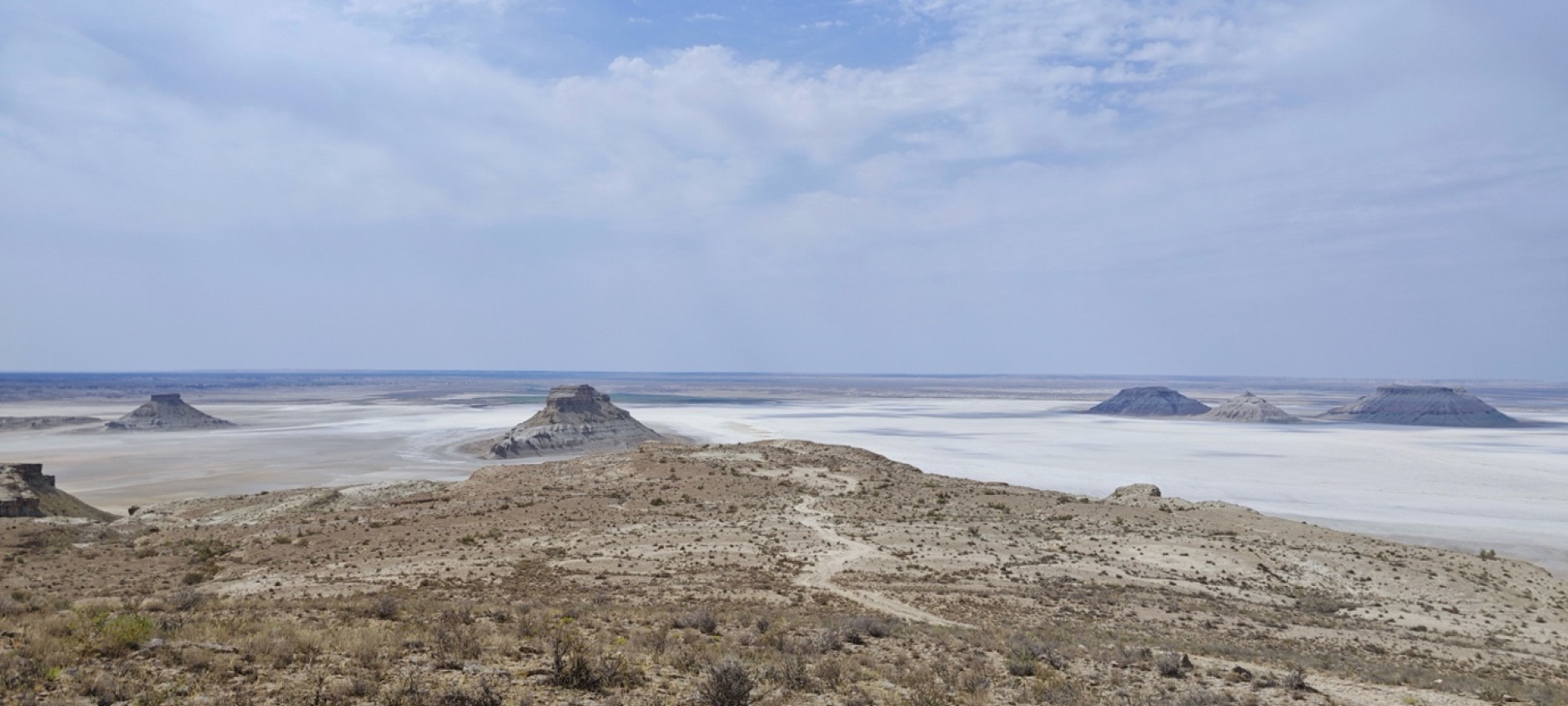
The Ustyurt Plateau is an amazing product of geological processes. Also, it has an astonishing landscape created by the effects of Caspian Sea water-level oscillations on the relatively non-resistant Paratethys units in the Quaternary. In other words, the rock body of the Ustyurt Plateau was formed by the Paratethys in the Neogene, and its scenic morphology evolved through various Quaternary erosive events, forming exotic natural landmarks, including 9 unique geosites within the nominated property.

 green toad.jpg)