Cultural Heritage

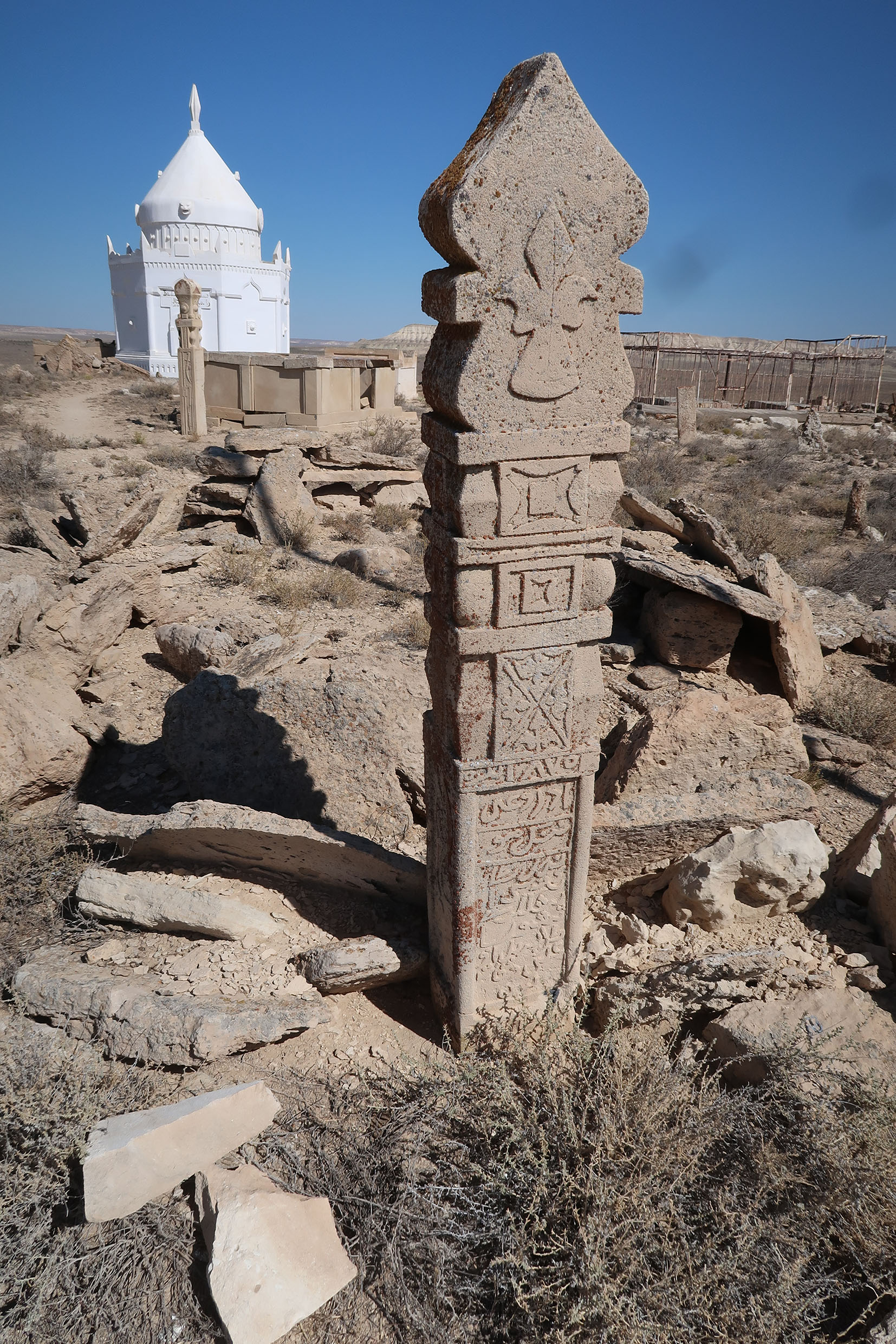
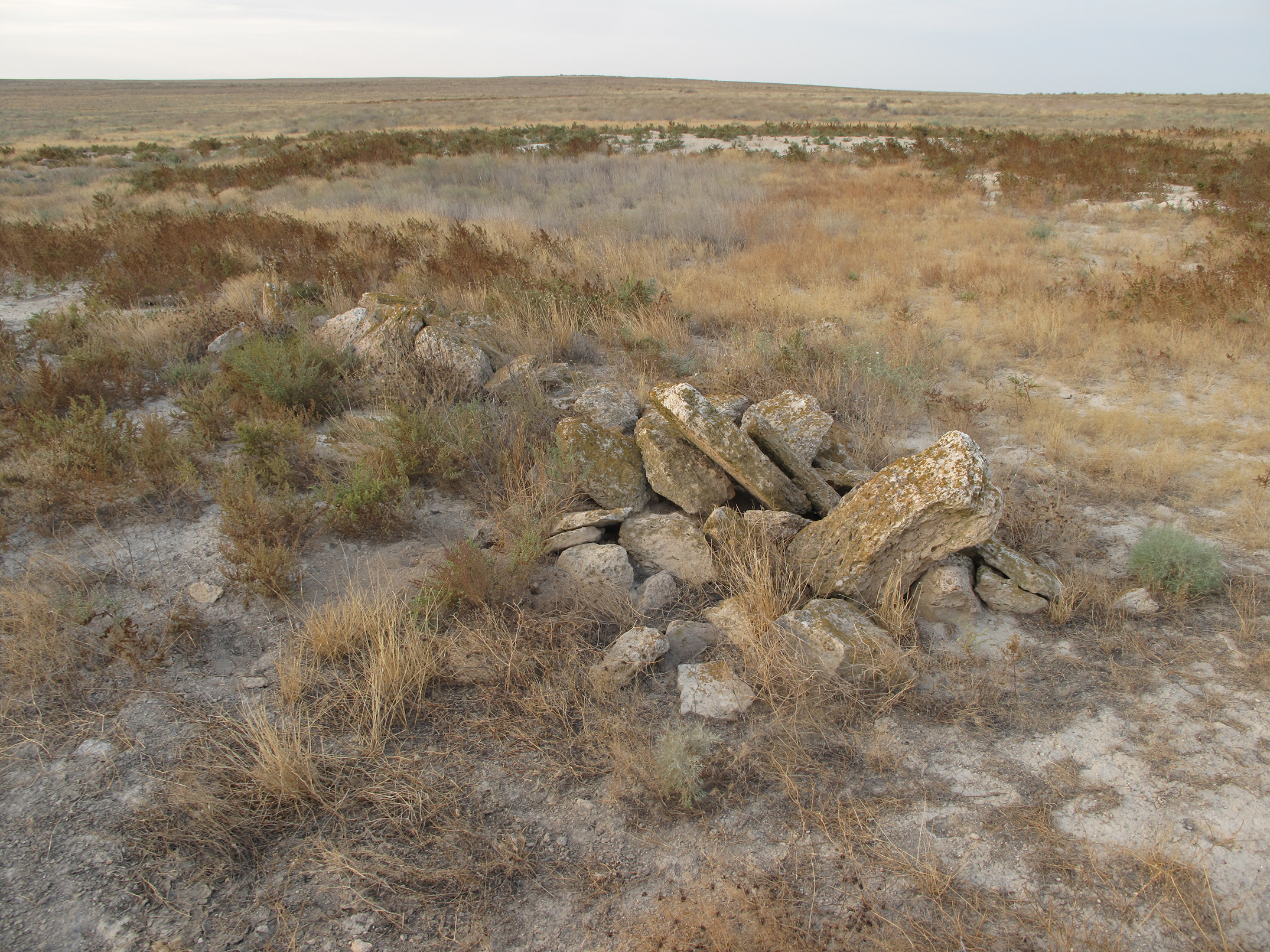
The Ustyurt Plateau is a unique cultural landscape, where a low population density belies a rich archaeological heritage. The nominated property contains a high concentration of sites that document the great diversity of interactions between humans and their environment, which were utilized as seasonal habitat by successive waves of human occupation, from Stone Age hunter-gatherers to later herders. This archaeological heritage, from the Neolithic to the early 20th century, has long presented an enigma, as the coexistence of diverse cultural heritage and extreme aridity seemed irreconcilable. This contradiction is resolved by recognizing the exceptional potential of the Ustyurt Plateau's cultural landscape, which served as a vast hunting ground.

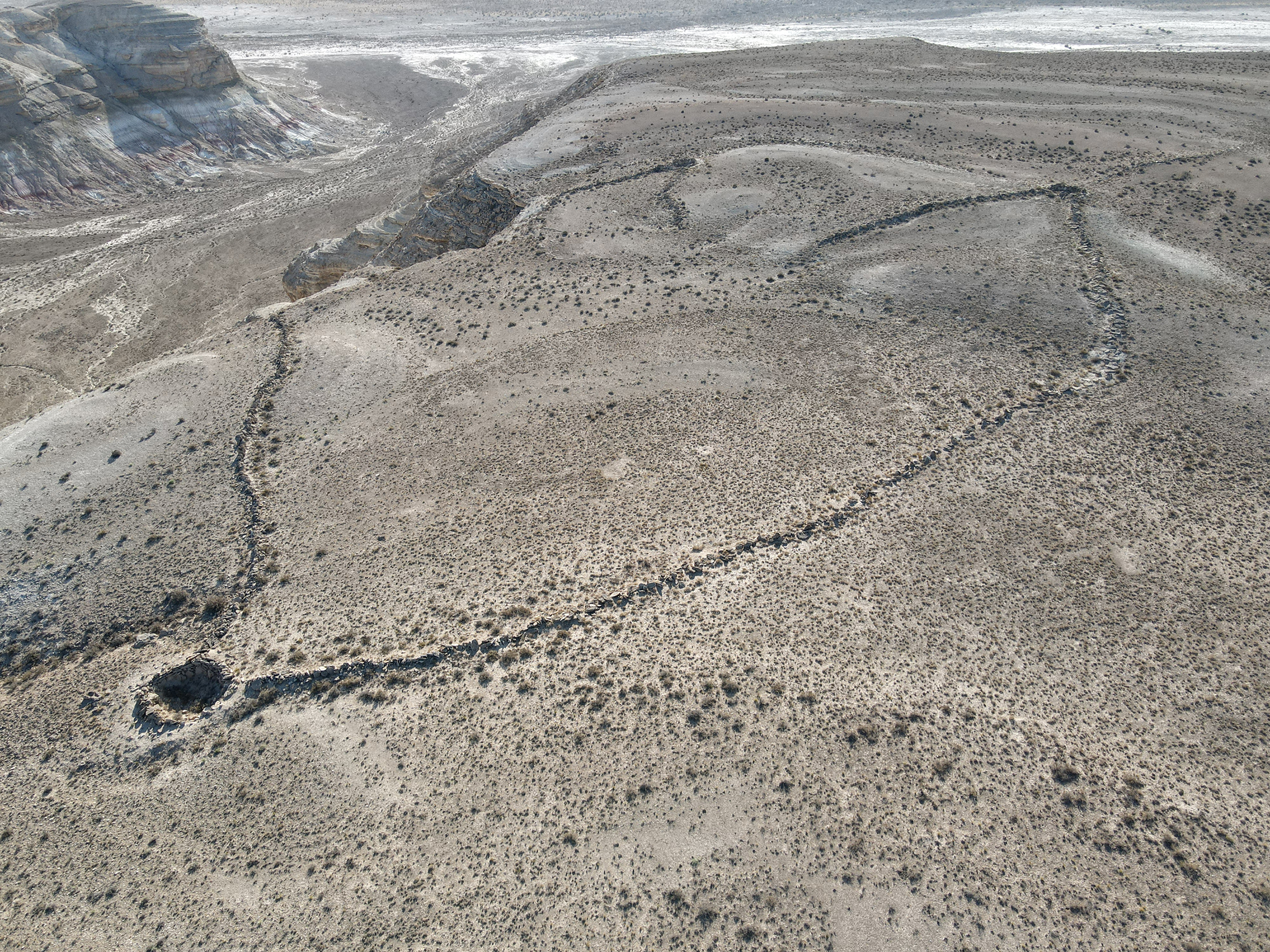
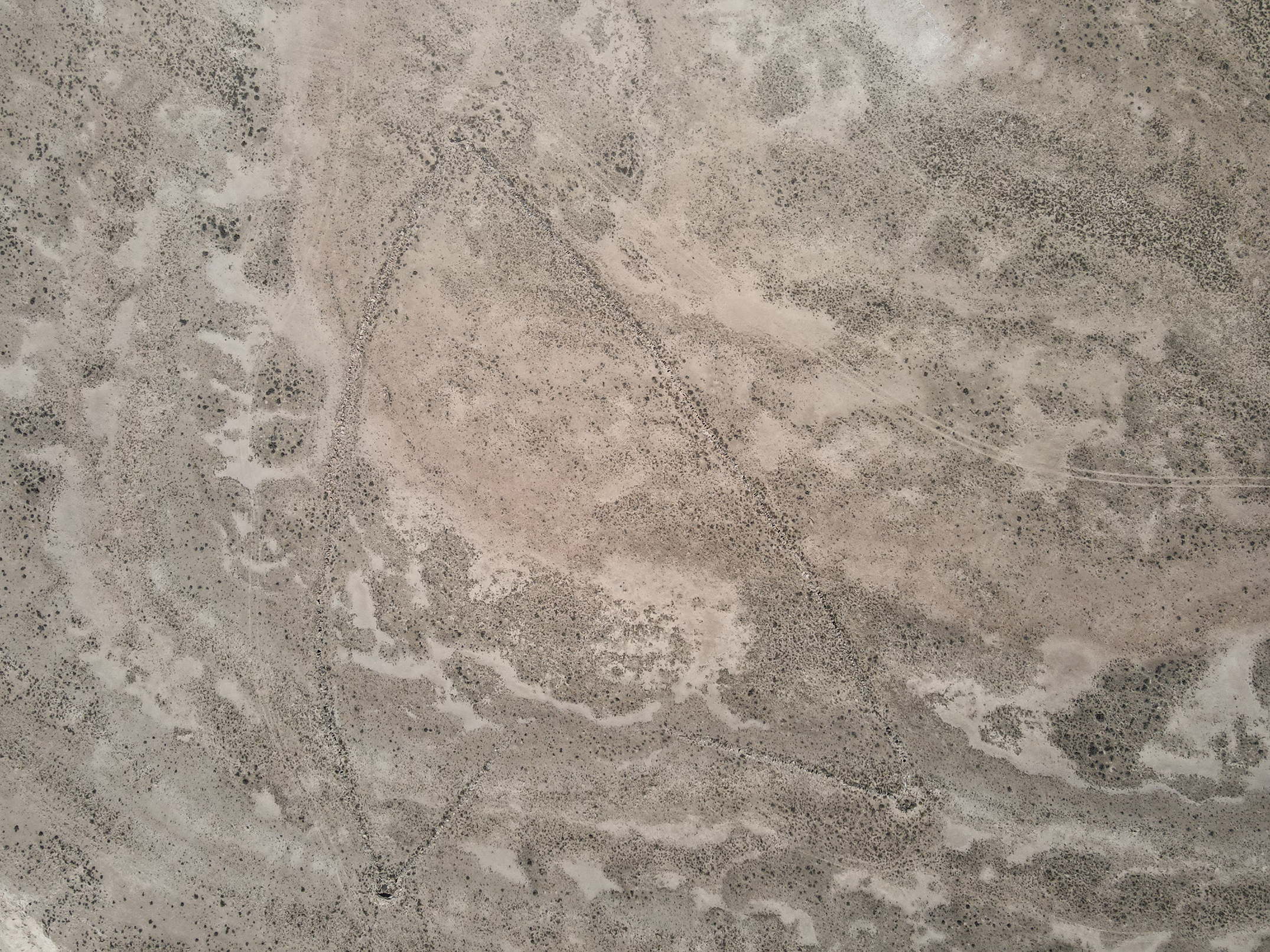
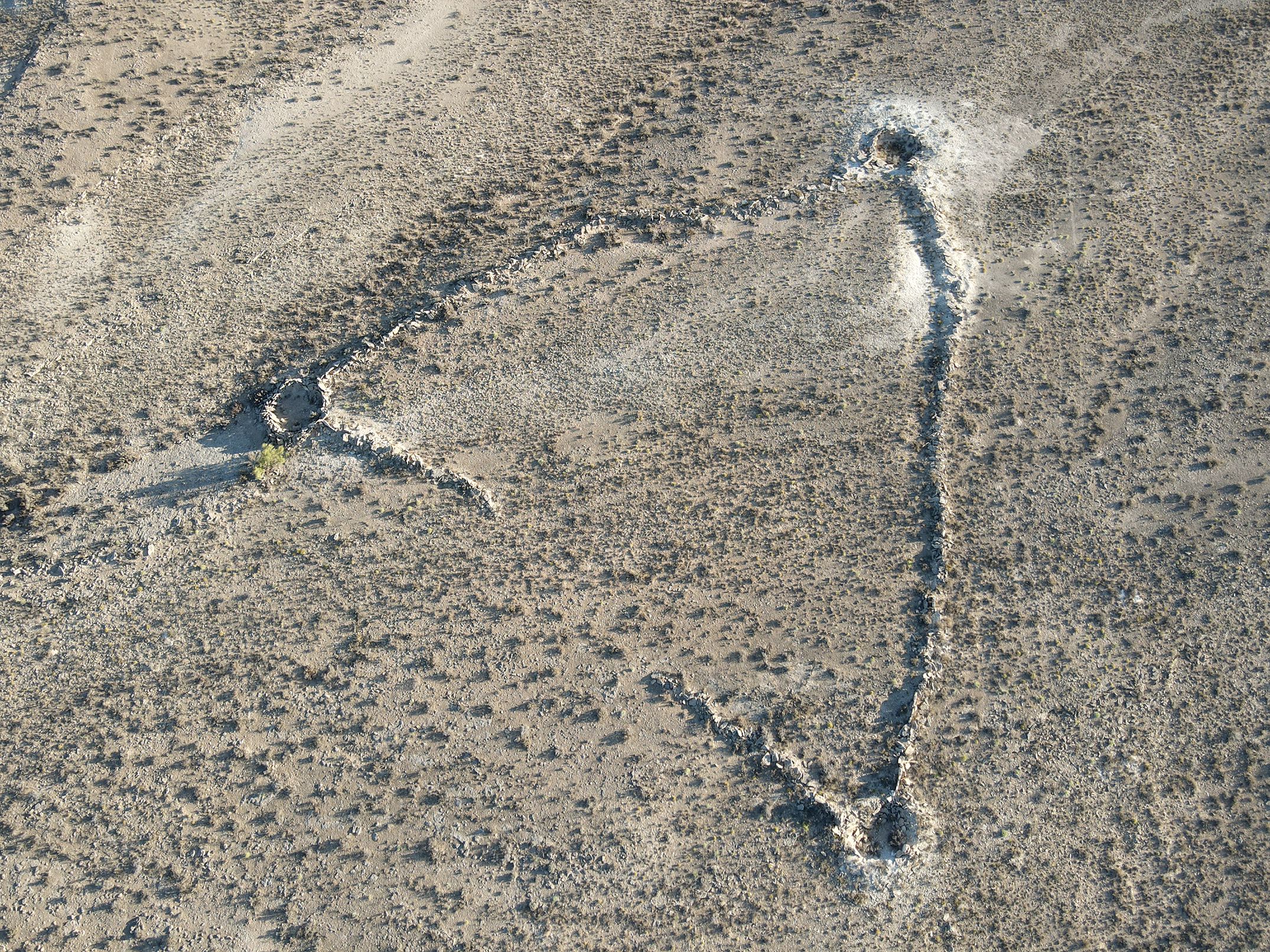
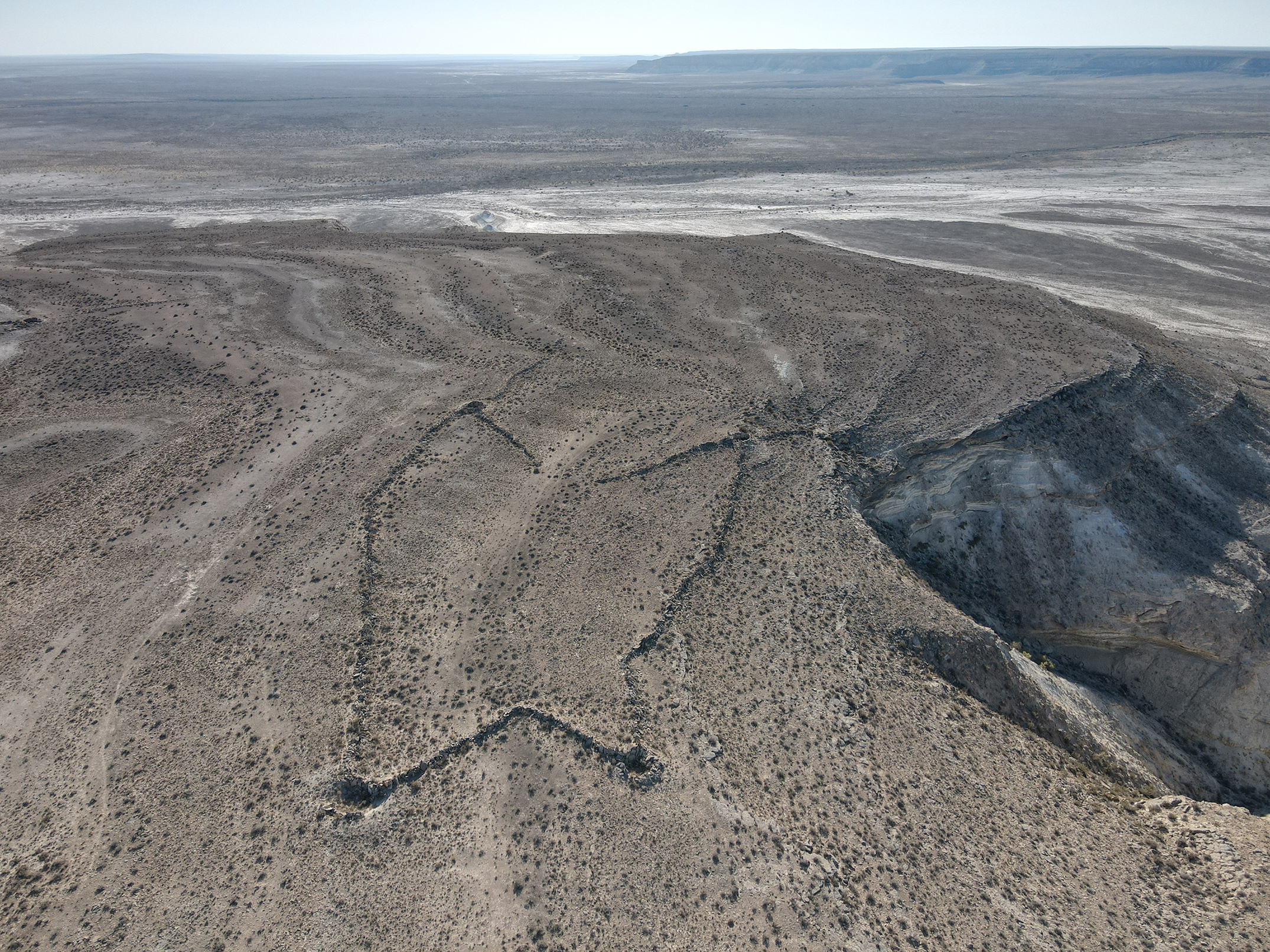
Aran hunting traps on the Ustyurt Plateau
Cultural Heritage

Aran Hunting Traps

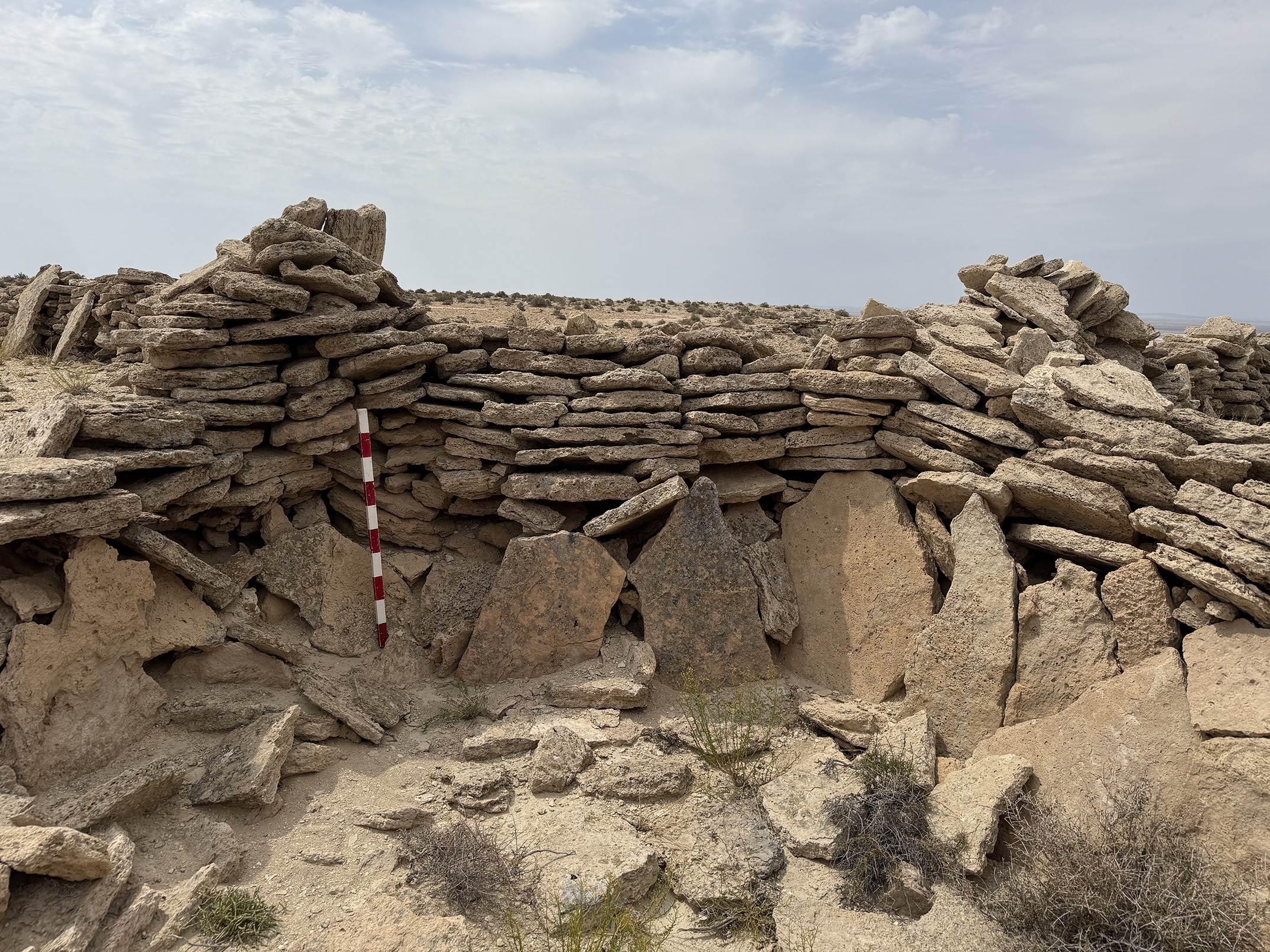
The aran hunting traps are the defining cultural feature of the nominated property. Built of stone and integrated into the natural relief of the plateau, these structures were used to direct animals into controlled trapping zones and represent a highly developed hunting strategy adapted to local conditions.

Their density and state of preservation in the nominated property make Ustyurt exceptional. The aran system reflects environmental knowledge, mobility, cooperation, and the ability of past communities to work with a difficult desert landscape at a large territorial scale.
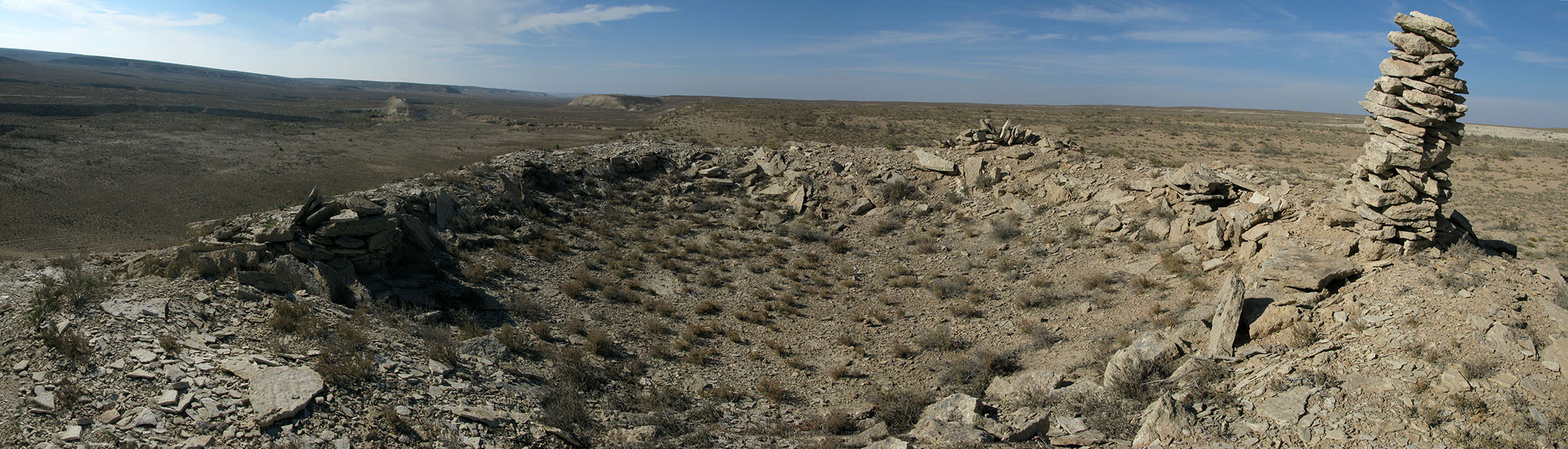
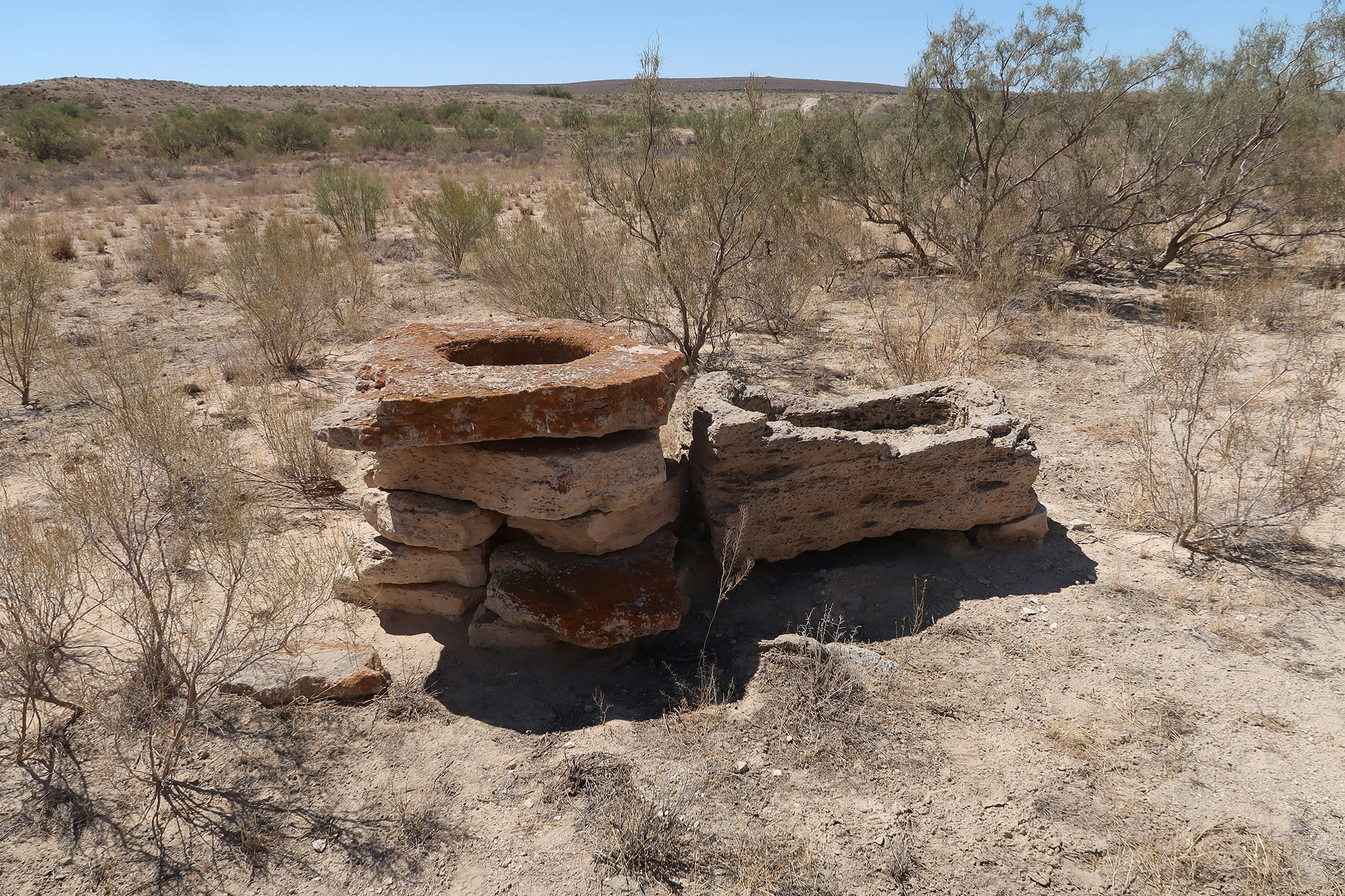
Associated archaeological sites of Ustyurt
Cultural Heritage

Associated Archaeological Sites

The nominated property includes a wider network of archaeological remains associated with the hunting landscape. These include camps, funerary structures, route markers, and other traces of repeated human presence across the plateau.

Together with the aran traps, these sites help document the broader cultural system in which hunting, movement, survival, and landscape knowledge were closely interconnected.